Wills & Testamentary Succession
Creating, executing and understanding wills.
A will is governed by the Indian Succession Act, 1925 (for most communities) and must generally be in writing, signed by the testator and attested by two witnesses.
General information on wills, probate, succession, legal heirs, inheritance and related proceedings in India.
Wills, probate, succession and inheritance matters in India may involve the making and operation of wills, testamentary and intestate succession, probate, letters of administration, succession certificates, identification of legal heirs, inheritance and heirship, disputed or competing wills, family settlements, partition among legal heirs and estate-related proceedings. Matters involving NRIs, overseas heirs, foreign wills or cross-border estates may raise additional succession issues. Depending on the nature of the matter and applicable law, proceedings may arise before competent courts, High Courts and the Supreme Court of India. This page provides general legal information and awareness concerning wills, probate, succession and inheritance in India.
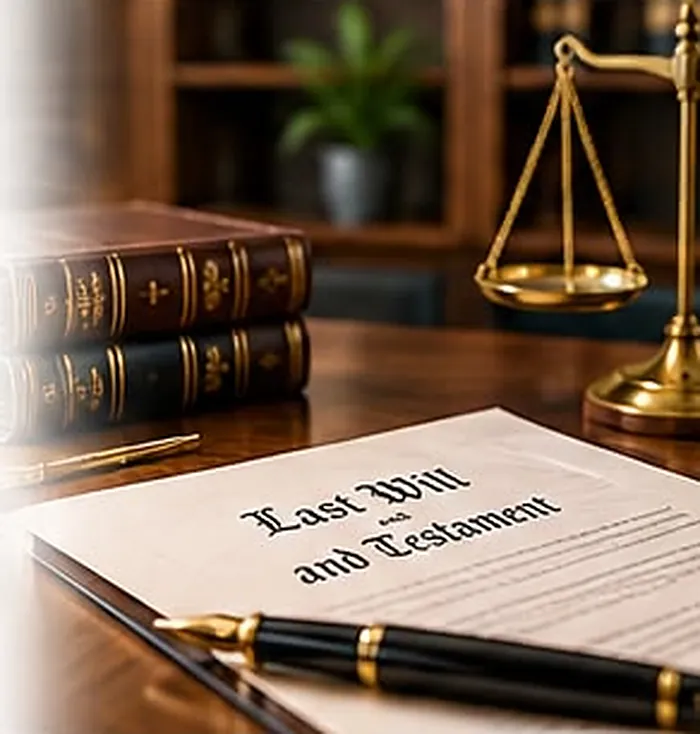
Creating, executing and understanding wills.
A will is governed by the Indian Succession Act, 1925 (for most communities) and must generally be in writing, signed by the testator and attested by two witnesses.
Probate process and court requirements.
Probate is a court's certification of a will. In Delhi, probate is not mandatory in all cases; the requirement depends on the applicable law and location of property.
When and how letters of administration are granted.
Letters of administration may be granted where there is no will, or where a will exists but no executor has been appointed or is able to act.
Certificate process for debts and securities.
A succession certificate under Part X of the Indian Succession Act, 1925 enables collection of debts and securities of a deceased person.
Succession without a will under personal laws.
Where a person dies without a will, the estate devolves according to the applicable personal law, such as the Hindu Succession Act, 1956 or Muslim personal law.
Who inherits and how shares are determined.
Legal heirs and their shares are identified under the applicable succession law; a legal heir certificate may be issued by the revenue authorities for certain purposes.
Validity, disputes and contested wills.
Wills may be challenged on grounds such as lack of due execution, lack of testamentary capacity, undue influence or suspicious circumstances.
Settlements and release deeds among heirs.
Heirs may settle rights through family settlements, relinquishment or release deeds; registration requirements depend on the nature of the document.
Division of inherited estate among heirs.
Where heirs cannot agree on division, partition of the inherited estate may be sought before the competent civil court.
See also: property partition and remedies.
Overseas heirs and foreign wills.
Succession involving NRIs, overseas heirs or foreign wills may raise questions of domicile, situs of property and recognition of foreign grants.
See also: NRI property matters.
Court proceedings and related remedies.
Testamentary and succession proceedings in Delhi may be heard by the District Courts or the Delhi High Court depending on pecuniary value.
See also: civil court proceedings.
Appeals and higher-court jurisprudence.
Orders in probate and succession matters may be appealed before the High Court, with further remedies before the Supreme Court by special leave.
See also: High Court and Supreme Court matters.
Dr. Anand Duggal is an Advocate registered to practise in India. This page provides general legal information for India and does not constitute legal advice. Nothing on this website should be construed as advertising, solicitation or a guarantee of any legal or other outcome.